Introduction
When running a business, especially one that involves food service or hospitality, maintaining your property is crucial. One aspect that often gets overlooked until it’s too late is the septic system. Understanding the Importance of Commercial Septic Tank Maintenance can save you from costly repairs and health hazards. This article will delve into various facets of septic tank maintenance, including services like sewer pump service and grease trap pumping, while providing guidance on how often to conduct septic tank pumping and inspections.
Understanding the Importance of Commercial Septic Tank Maintenance
Maintaining a commercial septic system is not just about keeping things running smoothly; it's about adhering to regulations, protecting public health, and ensuring your business operates without interruptions. A well-maintained septic tank can significantly extend its lifespan while minimizing unexpected breakdowns that could lead to expensive repairs or replacements.
Why Is Commercial Septic Tank Maintenance Essential?
Health Risks: A failing septic system can pose serious health risks. Wastewater can leak into the ground or flow back into your establishment, leading to contamination.
Financial Implications: Routine maintenance costs are far less than emergency repairs or replacements. Businesses often face fines if found in violation of health codes.
Operational Efficiency: Regular maintenance ensures that your system works efficiently, avoiding unnecessary backups or overflows.
How Often Should You Conduct Septic Tank Pumping?
The frequency of septic tank pumping depends on several factors including:
- The size of the tank The number of users The type of waste being processed
Generally speaking, it's recommended to pump your tank every 3 to 5 years for most commercial establishments. However, businesses with high waste production may require more frequent service.
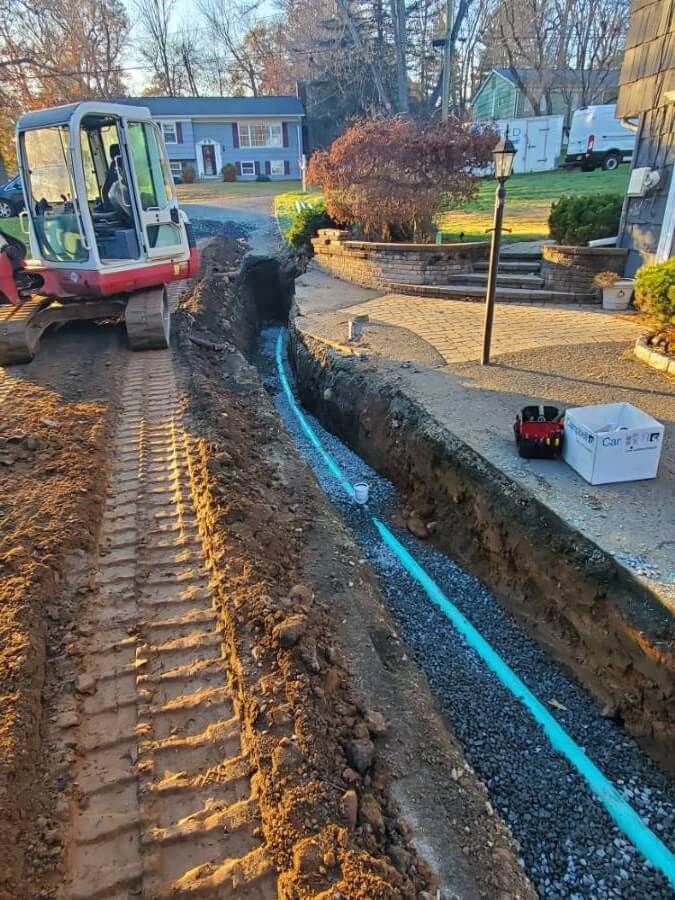
Types of Commercial Septic Services
Sewer Pump Service: A Critical Component
Sewer pump services are essential for any commercial establishment utilizing a septic system. These pumps move wastewater from lower elevations to higher ones, particularly in places where gravity drainage isn't an option.
Benefits:
- Prevents backups Reduces odors Extends the life of your septic system
Septic Tank Pumping: When and Why?
Septic tank pumping removes accumulated sludge and scum from the tank, allowing it to function optimally.
Key Points:
- It helps prevent overflows. It maintains proper bacterial balance. It reduces unpleasant odors.
Grease Trap Pumping: Keeping Your Business Clean
For businesses in the food industry, grease traps are vital for preventing grease buildup in plumbing systems.
Grease Trap Pumping For Businesses:
Regular grease trap pumping ensures compliance with local regulations Dog Trainer Raleigh NC while also protecting your plumbing infrastructure.
Signs That Your System Needs Attention
Recognizing early signs of septic issues can save you time and money.
Common Symptoms:
Foul Odors: Unpleasant smells near your property? Slow Drains: Are sinks and toilets draining slowly? Wet Spots: Notice puddles in your yard?If you answer yes to any of these questions, it's time to schedule a septic inspection!
Commercial Grease Trap Repair Orange County
In Orange County, businesses must maintain their grease traps effectively due to strict regulations. Regular inspections are vital for compliance and operational efficiency.
Commercial Grease Trap Installation Orange County
Installing a new grease trap requires professional expertise to ensure it meets local codes and functions correctly from day one.
Expert Septic Tank Services You Can Trust
When choosing a service provider for your commercial needs, look for companies with good reviews and extensive experience in handling both routine maintenance and emergency situations.
Drain Video Inspection Orange County: What Is It?
Drain video inspection uses advanced technology to diagnose problems within your plumbing or septic system without invasive procedures.
Benefits:
- Accurate diagnosis Reduced repair times Cost-effective solutions
Essential Guide To Grease Management
Understanding how grease affects your business operations can lead you toward more informed practices regarding waste management.
Tips:
Train staff on proper waste disposal. Schedule regular cleanings. Monitor grease levels consistently.Septic System Installation: What Businesses Need to Know
When setting up a new facility or renovating an existing space, understanding how to install a reliable septic system is key for long-term success.
Steps Involved:
Site Evaluation Permits & Approvals System Design & InstallationEach step requires careful planning and execution by licensed professionals familiar with local codes.
Septic Inspection: The Key to Prevention
Regular inspections are an integral part of maintaining any commercial septic system.
How Often Should Inspections Occur?
Typically every 1 to 3 years based on usage levels and regulatory requirements in your area.
What Do Inspectors Look For?
Inspectors check:
- Sludge levels Structural integrity Signs of leaks or damage
Septic Tank Pumping Frequency: Best Practices
Understanding when and how often you should pump your septic tank can make all the difference in its longevity and performance.
Recommended Frequency Table
| Business Type | Recommended Pumping Frequency | |-----------------------|-------------------------------| | Restaurants | Every 3 months | | Campgrounds | Every 6 months | | Offices | Every 1-2 years |
This table highlights that different types of businesses have varying needs when it comes to maintenance frequency!
FAQ Section
Q1: How do I know if my septic tank needs pumping?
A1: Look out for slow drains, foul odors, or wet spots in your yard as indicators that it's time for immediate attention!
Q2: How do I find "septic pumping near me"?
A2: Use online directories or search engines focusing on local services; you’ll find plenty available at your convenience!
Q3: What’s involved in a septic inspection?
A3: Inspectors evaluate sludge levels, check for leaks or structural issues, and ensure everything complies with local regulations!
Q4: Can I perform my own maintenance?
A4: While some tasks may seem simple, hiring professionals ensures safety and compliance with local laws!
Q5: What happens during grease trap pumping?
A5: Technicians will remove accumulated waste material from your grease trap; this is essential for preventing clogs!
Q6: Why should I consider professional sewage service?
A6: Professionals provide expertise that ensures efficient operation while minimizing potential hazards associated with improper handling!
Conclusion
Understanding the Importance of Commercial Septic Tank Maintenance cannot be overstated; proactive measures can help prevent costly repairs down the line while ensuring compliance with health standards. From frequent inspections to timely sewer pump services, each component plays its role in keeping your business running smoothly. By prioritizing regular septic care through expert services like septics inspection or grease trap management—your business will not only thrive but also maintain its reputation as responsible stewards of public health!